

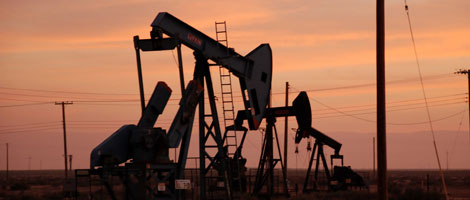
Exxon Mobil (XOM)
Normally I look for dividend yields above 4% or 5% for my dividend income portfolio. On this measure, Exxon Mobil (XOM) with its 3.35% yield isn’t exactly an astounding opportunity. But something out of a recent report from Goldman Sachs caught my eye: Exxon Mobile...With others cutting back on capital spending, ExxonMobil plans to spend more
ExxonMobil (XOM) goes its own way. Again. When oil prices were soaring in 2006 and 2007, ExxonMobil refused to get sucked into a race to see who could spend more on exploration. Now that everyone else is cutting back on capital budgets (and some companies such as...Oil drilling failure rate surges at the Western majors
It’s not a factor now in the climbing price of oil but the trend certainly doesn’t portend cheaper oil down the road. Or a rosy future for the Western oil giants. In 2009 Chevron’s (CVX) drilling failure rate climbed to 35%. More than one-third of exploratory wells...Oil to stay stuck at $70-$80 a barrel in 2010
So who ya’ gonna’ believe on oil prices in 2010? The economists at the International Energy Agency predict that oil demand will pick up sharply in 2010, rising about 1.5 million barrels a day from 2009 levels. Big oil traders, who handle about 15% of the world’s oil...ExxonMobil buys U.S. natural gas for $31 billion–I told you this was a big trend
ExxonMobil (XOM) will buy XTO Energy (XTO) for $31 billion in stock. (ExxonMobil will also assume $10 billion in XTO Energy debt.) This acquisition is just the latest example of a shift among the international energy majors from exploration and development for oil in...The return of the oil shortage–around 2015–and why the industry's logical decisions now will make it worse
Devonshire Energy’s decision to sell its expensive to develop deepwater assets in the Gulf of Mexico in order to concentrate on its onshore natural gas reserves makes perfect sense. For that company. For the oil industry and for the global economy picture, though,...Update ExxonMobil (XOM)
I think this quarter marks an important transition for oil stocks. What everybody knows—the consensus wisdom that is baked into stock prices–has moved on. Everybody now accepts that oil prices will be low enough so that oil company earnings will look terrible in...With Exxon and Chevron on deck, it's so far, not so good in the oil sector
And seldom was heard an encouraging word…. At least from the oil producers and oil service companies that have reported second quarter earnings as of the close of trading on July 29. The best news is that oil companies aren’t slashing capital spending...Next week it's oil, oil and more oil earnings. To know where the industry is going, forget profits and look at capital spending
Exxon Mobile (XOM). Chevron (CVX). Royal Dutch Shell (RDS.A). BP (BP). ConocoPhillips (COP). Noble Energy (NBL) Apache (APA). Petro-Canada (PCZ). All these production companies report quarterly earnings next week. Add in drilling equipment and oil service companies...Jim’s Daily Email Alerts:

Every post from Jubak Picks straight to your mailbox. And they're free!